
How to Get YouTube Views From Search Results: 12 Proven Tips
Getting views from YouTube search can be a powerful way to grow a channel, especially when you are still building an audience. Instead of depending only on subscribers or recommendations, you can create videos around topics people are already searching for.
If your video appears when someone searches for a relevant topic, you have an opportunity to attract viewers who are actively looking for information, solutions, tutorials, or answers.
In this guide, you will learn how to get YouTube views from search results using practical SEO strategies that beginners can apply.
1. Choose Topics People Are Actually Searching For
The first step is choosing the right topic. Even a well-made video may receive very few search views if almost nobody searches for the subject.
Before creating a video, think about what your target audience wants to learn or solve.
For example, instead of targeting a broad topic like:
YouTube growth
you could target a more specific search query such as:
how to improve YouTube impressions
Specific topics are often easier for smaller channels to target because they address a particular question or problem.
2. Use Specific Search Keywords
Your main keyword should closely match what people might type into YouTube.
Longer and more specific keywords can be useful because they clearly describe the searcher’s intention.
For example:
- how to improve YouTube impressions
- how to optimize a YouTube video
- how to use YouTube Analytics
- how to get more clicks on YouTube thumbnails
Choose one primary keyword for each video and build the content around that topic.
Avoid stuffing the same keyword repeatedly. Your content should sound natural and be written primarily for viewers.
3. Put Your Main Keyword in the Title
Your video title helps viewers understand what the video is about. It can also help YouTube understand the topic of your content.
If your target keyword is:
how to get YouTube views from search results
a natural title could be:
How to Get YouTube Views From Search Results: 12 Proven Tips
The title clearly communicates the topic while giving viewers a reason to click.
Avoid misleading titles. If the video does not actually answer the search query, viewers may leave quickly.
4. Create a Useful Video Description
Your description provides additional context about your video.
Include your main keyword naturally near the beginning of the description and explain what viewers will learn.
For example, you could write:
“Want to learn how to get YouTube views from search results? In this guide, you’ll learn how to choose search-friendly topics, optimize your titles and descriptions, improve thumbnails, and create videos that match viewer intent.”
You can also include related phrases and important resources in the description.
5. Match Search Intent
One of the most important parts of YouTube search optimization is understanding search intent.
Ask yourself:
What does someone expect to see after searching this phrase?
If someone searches:
how to create a YouTube playlist
they probably want a tutorial showing the actual process.
If your video only discusses why playlists are useful without explaining how to create one, it may not satisfy the viewer.
Create content that directly answers the question behind the search.
6. Make the Video More Helpful Than the Search Query Requires
Once someone clicks your video, your job is to deliver useful information.
Avoid unnecessary introductions that take too long to reach the main point.
For tutorial-based videos, explain the process clearly and use examples where appropriate.
A simple structure can work well:
- Introduce the problem.
- Explain the solution.
- Show the steps.
- Give practical examples.
- Summarize the key points.
Useful content gives viewers a reason to continue watching.
7. Create a Click-Worthy Thumbnail
Ranking in search is only part of the process. People still need to choose your video from the search results.
Your thumbnail should make the topic immediately understandable.
For example, if your video is about improving YouTube impressions, your thumbnail could include:
LOW IMPRESSIONS?
with a simple visual showing a YouTube analytics concept.
Keep the design clean and avoid filling the thumbnail with too much text.
The thumbnail and title should work together rather than simply repeating each other.
8. Use Related Keywords Naturally
Your primary keyword is important, but your video can also cover related phrases.
For a video about getting YouTube views from search results, related terms might include:
- YouTube search traffic
- YouTube SEO
- YouTube search ranking
- searchable YouTube topics
- YouTube keyword optimization
- YouTube search views
Use related phrases naturally when they genuinely fit the content.
Do not add unrelated keywords just to attract additional searches.
9. Answer Specific Questions
Question-based searches can provide useful opportunities for smaller channels.
Look for questions your audience might ask, such as:
- Why is my YouTube video not appearing in search?
- How does YouTube search work?
- How can I improve my YouTube search ranking?
- Why am I getting no search traffic?
Instead of trying to answer everything in one video, create focused videos that solve individual problems.
This can also help you build a collection of related content around one topic.
10. Improve Your Video After Publishing
Publishing a video does not necessarily mean the optimization process is finished.
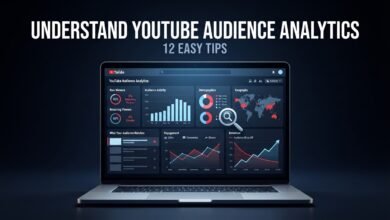
Check your analytics after the video has had enough time to collect data.
Look at metrics such as:
- Traffic sources
- Search terms
- Impressions
- Click-through rate
- Watch time
- Audience retention
If viewers are finding your video through unexpected search queries, those queries may give you ideas for future content.
You can also identify videos that receive impressions but attract relatively few clicks and consider whether the title or thumbnail could be improved.
11. Build Related Videos Around the Same Topic
Creating multiple useful videos around related search queries can help establish your channel around a particular subject.
For example, a YouTube growth channel could create separate videos about:
- YouTube impressions
- YouTube search ranking
- YouTube thumbnails
- YouTube Analytics
- YouTube descriptions
- YouTube playlists
These topics are connected, but each video answers a different question.
You can then connect relevant videos using playlists, end screens, and links where appropriate.
12. Be Patient and Keep Improving
YouTube search growth can take time. A new video may not immediately receive significant search traffic.
Instead of judging a video too quickly, use your available data to understand what is happening.
If a video gets impressions but few clicks, review the title and thumbnail.
If viewers click but leave quickly, look at the introduction and overall content structure.
If the video receives little search traffic, consider whether the topic and keyword match what people are searching for.
This approach turns each published video into an opportunity to learn.
Final Thoughts
Learning how to get YouTube views from search results starts with creating videos that match real search queries and provide useful answers. Choose specific topics, use relevant keywords, write clear titles and descriptions, create attractive thumbnails, and make sure your video satisfies the viewer’s search intent.
You should also use YouTube Analytics to understand where your traffic comes from and which topics perform well.
The goal is not simply to rank for a keyword. The real goal is to create a useful video that a searcher wants to click, watch, and potentially explore further.
With consistent publishing and continuous improvement, YouTube search can become an important source of views for your channel.