How Often Should a Small YouTube Channel Upload
How Often Should a Small YouTube Channel Upload

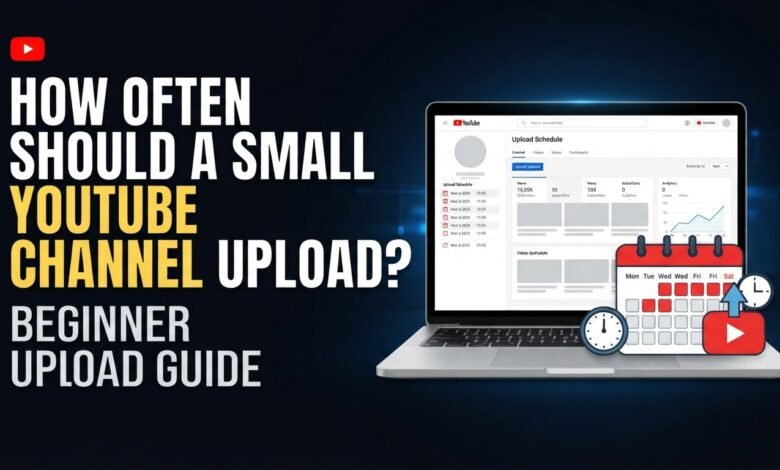
How Often Should a Small YouTube Channel Upload?
If you have a small YouTube channel, one of the biggest questions you may have is: how often should a small YouTube channel upload? Should you upload every day, once a week, or only when you have a new idea?
There is no universal upload schedule that works for every channel. YouTube itself says creators do not need to upload daily or even weekly to maintain growth. Instead, creators should focus on a consistent and sustainable schedule that they can maintain over time.
For many beginners, uploading one high-quality video per week is a practical starting point. However, the right schedule depends on your content type, available time, production process, and audience.
How Often Should a Small YouTube Channel Upload?
For most small channels, one to two videos per week can be a manageable starting schedule.
Uploading once a week gives you enough time to research topics, write a script, record, edit, create a thumbnail, and optimize the video before publishing.
If your videos are simple to produce, you may be able to upload twice or even three times per week. However, uploading more frequently should not come at the expense of video quality.
YouTube recommends considering frequency, consistency, content volume, and whether your schedule is sustainable over the long term.
Is Uploading Every Day Necessary?
No. A small YouTube channel does not need to upload every day.
YouTube’s own analysis says that growth in views across uploads is not correlated with the amount of time between uploads. Many creators build audiences by prioritizing quality rather than simply increasing the number of uploads.
Daily uploads can also become difficult for beginners if every video requires significant research and editing.
Instead of trying to publish seven videos every week, choose a schedule you can realistically maintain.
For example:
- Monday: Research
- Tuesday: Script
- Wednesday: Recording
- Thursday: Editing
- Friday: Thumbnail and SEO
- Saturday: Publish
- Sunday: Review analytics
A simple workflow like this can make consistency easier.
Why Consistency Matters
Consistency helps your audience understand when they can expect new content.
YouTube’s guidance recommends creating a sustainable release schedule and considering whether you can maintain it over the long term.
Consistency does not necessarily mean uploading on a specific number of days every week. It means having a realistic publishing pattern.
For example, if you can reliably publish every Saturday, that can be your schedule.
You can also tell viewers when they can expect your next video through your content and channel communication.
Quality vs. Quantity
One of the biggest mistakes small channels make is focusing only on quantity.
Imagine two creators.
Creator A uploads seven rushed videos every week.
Creator B uploads one carefully researched and well-edited video every week.
The second creator may have more time to improve the topic, title, thumbnail, script, and overall viewing experience.
YouTube says its recommendation systems use signals related to how viewers respond to individual videos, and creators should focus on making videos that are appropriate for their content and audience.
This does not mean uploading frequently is bad. It means frequency should fit your ability to create content that viewers want to watch.
Should a Small Channel Upload Twice a Week?
Uploading twice a week can work well if you can maintain the quality of both videos.
For example, a beginner technology channel could publish:
Tuesday: Educational tutorial
Saturday: Tips, guide, or problem-solving video
This gives the creator two opportunities each week to reach viewers while leaving enough time between uploads for production.
If two videos become difficult to produce, reduce the schedule to one strong video per week.
A sustainable schedule is more useful than creating an ambitious schedule that you abandon after a few weeks.
What About YouTube Shorts?
Small channels can also include Shorts in their content schedule.
For example, you could publish:
- 1 long-form video per week
- 2–3 Shorts during the week
- Occasional Community posts
YouTube specifically suggests that an upload schedule does not have to consist only of videos. Shorts, live streams, and posts can also be part of a creator’s content plan.
This approach can give you more opportunities to interact with your audience without requiring multiple long-form videos every week.
How Long Should You Follow Your Schedule?
Do not judge a new upload schedule after only one or two videos.
Give yourself enough time to understand which topics attract viewers and which videos generate stronger engagement.
YouTube Analytics can help you understand your audience’s behavior. You can examine new, casual, and regular viewers to see how different types of viewers interact with your channel.
You may discover that certain topics consistently attract new viewers while other topics bring existing viewers back.
Use this information to improve your future content plan.
Should You Upload More When Your Channel Is Small?
More uploads can provide more opportunities to test different topics and formats, but there is no requirement to maximize upload frequency.
A 2026 vidIQ study of more than 10 million channels found that channels in higher upload-frequency groups had higher median monthly view and subscriber growth. However, the study measured correlation and does not prove that uploading more caused the growth. The sample also consisted of channels with at least 1,000 subscribers, so its results should not be treated as a guaranteed formula for brand-new channels.
For a small channel, the useful takeaway is to experiment with a sustainable schedule rather than assuming that more uploads automatically produce more growth.
A Simple Upload Schedule for Beginners
If you are just starting, you can use this simple plan:
Option 1: One Video Per Week
Best for beginners who create detailed videos.
1 long-form video + 1–2 Shorts
Option 2: Two Videos Per Week
Best for creators who have enough time for production.
2 long-form videos + 2–3 Shorts
Option 3: Three or More Videos Per Week
This can work for channels producing simpler content, but only if the creator can maintain quality and avoid burnout.
The best option is the one you can continue consistently.
What If You Miss an Upload?
Do not panic if you miss your scheduled upload.
YouTube says taking breaks does not automatically result in a permanent decline in channel performance. Its analysis found no correlation between the length of a break and changes in views, although an audience may need some time to return to its usual viewing routine.
If you miss a week, focus on creating your next useful video rather than rushing a low-quality upload.
Final Thoughts
So, how often should a small YouTube channel upload?
For many beginners, one high-quality video per week is a practical starting point. If you can comfortably produce two videos without reducing quality, you can experiment with twice-weekly uploads.
The most important thing is not finding a magical upload number. Your schedule should be consistent, sustainable, and appropriate for your content.
Focus on creating useful videos, study your YouTube Analytics, and adjust your publishing schedule based on what you learn about your viewers.
A sustainable schedule that you can maintain for months is more useful than an aggressive schedule that causes you to burn out after a few weeks.